Why Founders Can’t Ignore Geopolitics in 2025
In 2025, entrepreneurship doesn’t happen in a vacuum. From war zones to shipping routes, the global chessboard is shifting — and whether you’re a startup founder in Dubai, Berlin, or Nairobi, geopolitical dynamics are already shaping your business reality. This year alone, escalating tensions in the Middle East, disruptions in the Red Sea trade corridor, and the ongoing Ukraine conflict have impacted oil prices, supply chains, currency flows, and even investor confidence. And while these may seem like issues for diplomats or large multinationals, they’re increasingly critical for small and mid-sized enterprises (SMEs), too. Why It Matters for Entrepreneurs Startups and SMEs are often seen as agile and insulated from global shocks — but that’s a dangerous assumption. Whether you rely on imported components, serve global clients, or hire remote talent across borders, global disruptions can impact costs, timelines, and customer expectations overnight. In fact: According to the World Bank, over 60% of SMEs globally experienced supply chain issues due to geopolitical tensions in the past 12 months. Currency volatility alone can alter product pricing or funding strategies in international markets. Strategic Thinking in an Uncertain World So what should entrepreneurs do — retreat? Not at all. The answer lies in being strategically prepared. Forward-looking founders are: Scenario planning for supply disruptions and market shifts. Diversifying suppliers and talent pools across stable geographies. Staying informed about geopolitical developments, not to react emotionally, but to plan rationally. In short, resilience is no longer just an operational term — it’s a strategic mindset. Building Resilient Organizations Entrepreneurs also need to look inward. Strategic resilience starts with strong internal systems and responsible organizational design. That’s where tools like OPC 5 — CSEED’s Organizational Practices Compliance framework — offer value. By assessing five key pillars — Policy, Practice, Progression, Perception, and Privacy — OPC 5 helps startups and growing businesses ensure they are ethically, operationally, and culturally prepared to navigate uncertain environments. Final Thought In 2025, ignoring geopolitics is no longer an option — even for small teams and early-stage startups. The new entrepreneurial edge isn’t just speed or innovation — it’s clarity, foresight, and adaptability. The world may be unpredictable. But with the right strategy, founders can still grow — smartly, ethically, and sustainably.
Why Middle East Stability Matters More Than Ever: The Global Economy’s Fragile Link
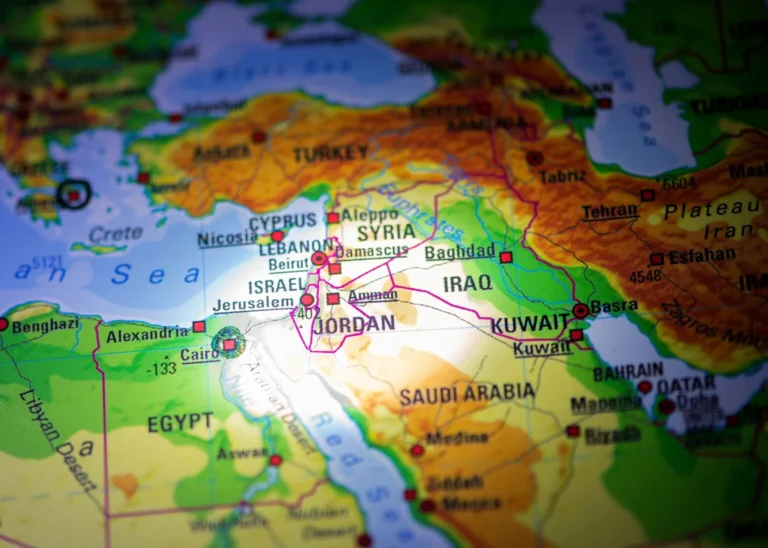
In 2025, the world economy is more interconnected than ever, yet also more fragile. Amid the rise of AI, climate-driven disruptions, and shifting global alliances, a powerful but often under-acknowledged truth has come back into sharp focus, Middle East Stability. Middle East Stability isn’t just a regional concern. It’s a global economic linchpin. The closure of the Strait of Hormuz, ongoing tensions across the Red Sea, and the broader volatility stretching from Gaza to the Gulf have exposed just how dependent the global system still is on a region long treated as geopolitically volatile but economically reliable. That assumption may no longer hold. Not Just Oil but A Networked Vulnerability For decades, the Middle East has been associated primarily with energy supply. That remains true; over 30% of the world’s oil exports pass through Hormuz. But in recent years, the region has also become deeply embedded in: Global trade routes (shipping, aviation, logistics) Capital flows (sovereign wealth funds, venture capital) Digital infrastructure and fintech Construction, labor, and materials supply chains As a result, the effects of instability here now ripple far beyond fuel prices. Insurance premiums on shipping have surged. Rerouted cargo is slowing supply chains. Investment is hesitant. And key economic hubs once considered buffers are being reassessed for their proximity to flashpoints. The Assumption of Gulf Stability Is Being Re-evaluated Cities like Dubai, Abu Dhabi, and Doha have long marketed themselves as politically neutral, economically open, and safe for global business. And until now, the world largely accepted that narrative. But the geography of risk is changing. With conflict and retaliation spilling across maritime and airspace boundaries, many business leaders are asking: Can we continue to rely on this region as a stable hub for trade and finance? What are the alternatives, and how viable are they? Should long-term risk strategy include geographic diversification away from the Gulf? This isn’t about abandoning the Middle East, far from it. But a more realistic understanding of its economic centrality of Middle East Stability and fragility is urgently needed. What Entrepreneurs and Strategists Should Be Watching The lesson here isn’t just for governments or multinational corporations. It’s for founders, investors, supply chain managers, and economic developers who operate in a world where “regional risk” quickly becomes global friction. Key questions to ask: Where are your dependencies (not just suppliers, but ports, capital sources, IP infrastructure)? How many of them pass through, or are influenced by, Middle East Stability? What would you need to change today to reduce exposure or build resilience? This is not alarmism, it’s strategic awareness. What This Means Going Forward The Middle East remains a region of ambition, dynamism, and importance to the global economy. But it is no longer insulated from the very instability it has managed to outpace for years. If global growth rests on a few fragile links, Middle East Stability may be one of the most critical. Read Here: Why Founders Can’t Ignore Geopolitics in 2025
Why HR Structure Still Matters: Even in a World Obsessed with Flexibility

In today’s flexible and remote-driven workplace, companies often emphasize adaptability and culture, but why HR structure still matters is a question not asked frequently enough. In fact, a strong HR framework is essential to long-term success, employee well-being, and strategic growth. HR Structure and Strategic Advantage According to a 2024 Gartner study, organizations with well-defined HR policies are 48% more likely to retain top talent and 36% more likely to meet their annual performance goals. That’s because structure isn’t about rigidity, it’s about alignment. Consistency in onboarding, performance reviews, and career progression builds trust and clarity. Policy-backed practices help employees feel secure, even within flexible hybrid models. Scalable HR architecture supports rapid growth without sacrificing culture or competence. These foundations align directly with broader strategic goals, scaling responsibly, motivating teams, and sustaining core values over time. Flexibility or Chaos? Flexibility is essential, but without structure, it becomes chaos in disguise: Risk Without HR Structure Strategic Impact Unclear career paths Higher turnover rates and disengagement Inconsistent performance management Uneven productivity and risky bias Reactive, ad‑hoc policy creation Compliance issues and operational gaps Undefined hybrid norms Misaligned expectations, team friction A robust HR framework doesn’t stifle creativity; it channels it toward measurable progress by offering clarity, support, and fairness. How to Reinforce HR Structure for the Future Map your people strategy to business strategy Use tools to assess capacity, skill gaps, and organizational readiness. And for complete internal alignment, adopt a clear and ethical workplace framework like OPC 5 – CSEED’s model that covers Policy, Practice, Progression, Perception, and Privacy. Monitor and iterate Track engagement scores, productivity trends, and compliance metrics to adapt structure over time. HR Structure in the Broader Workplace Landscape Professional services giant McKinsey reports that companies with structured HR functions are 2x more likely to leverage digital tools successfully. Moreover, SHRM data shows structured HR contributes to a 15% productivity boost compared to organizations relying on informal processes. These results make HR structure not just an operational concern but a strategic growth accelerator, especially important in an unpredictable global economy. Final Note The future of work demands flexibility, but structure is what enables that flexibility to succeed. Why HR structure still matters is more than a question; it’s a mandate. Build with strategy, not just spontaneity, and you’ll support progress that lasts. For more insights on structured HR in hybrid models, see this Harvard Business Review article on hybrid work strategies Published by: CSEED